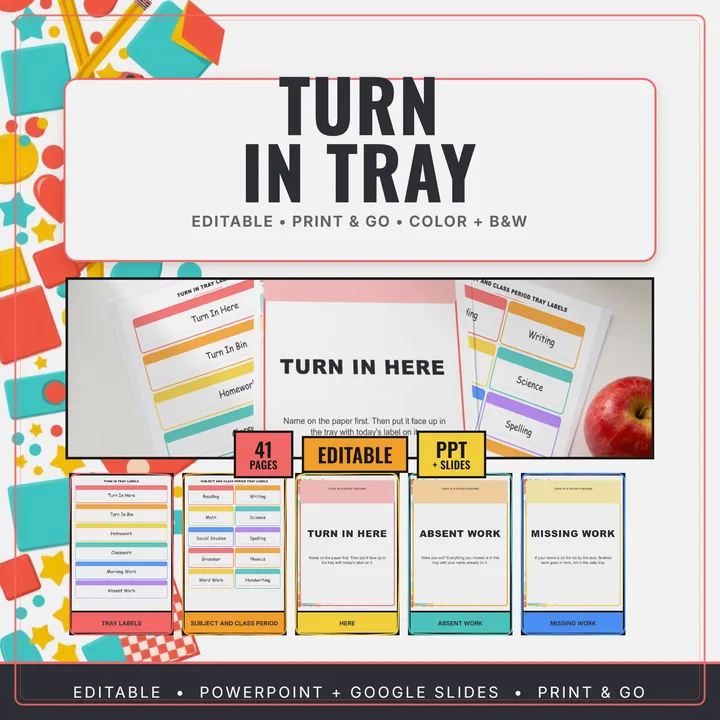
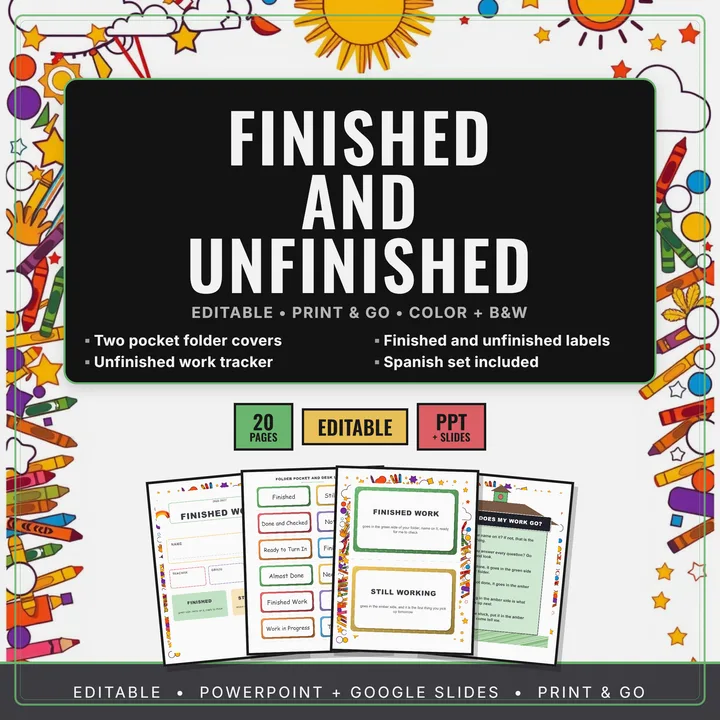
Student papers stop going missing when every sheet has exactly one place to land, and one person whose job it is to move it. Three containers do it: work coming in, work waiting to be graded, work going home. A student empties them on a schedule. Everything else on this page is detail, and most of the detail is somebody else's good idea.
We do not run an elementary paper flow in our own room, so this is not a diary. We read the pages that hold the first page for "how to organize student papers in the classroom," which is nine small-teacher blogs out of nine slots with no marketplace anywhere on it, kept the teachers' names on their ideas, and put them in the order that makes them work together. The labels at the bottom are ours.
The three streams, and why most systems collapse into one
Every system below sorts paper by where it is going, not by what subject it came from. That sounds obvious until you count the bins in a room that is not working: one per subject, six of them, all holding ungraded work, graded work, permission slips and a lunch form at once.
Jennifer Findley is clearest on this. She teaches thirty fifth graders in a cramped room and holds herself to three baskets on purpose, because a fourth basket is a fourth decision every student makes with a paper in their hand. Leigh at The Applicious Teacher made the same cut from the other direction: two bins, classwork and homework, with the sorting moved to the grading stage where one adult does it once instead of twenty-five students doing it badly.